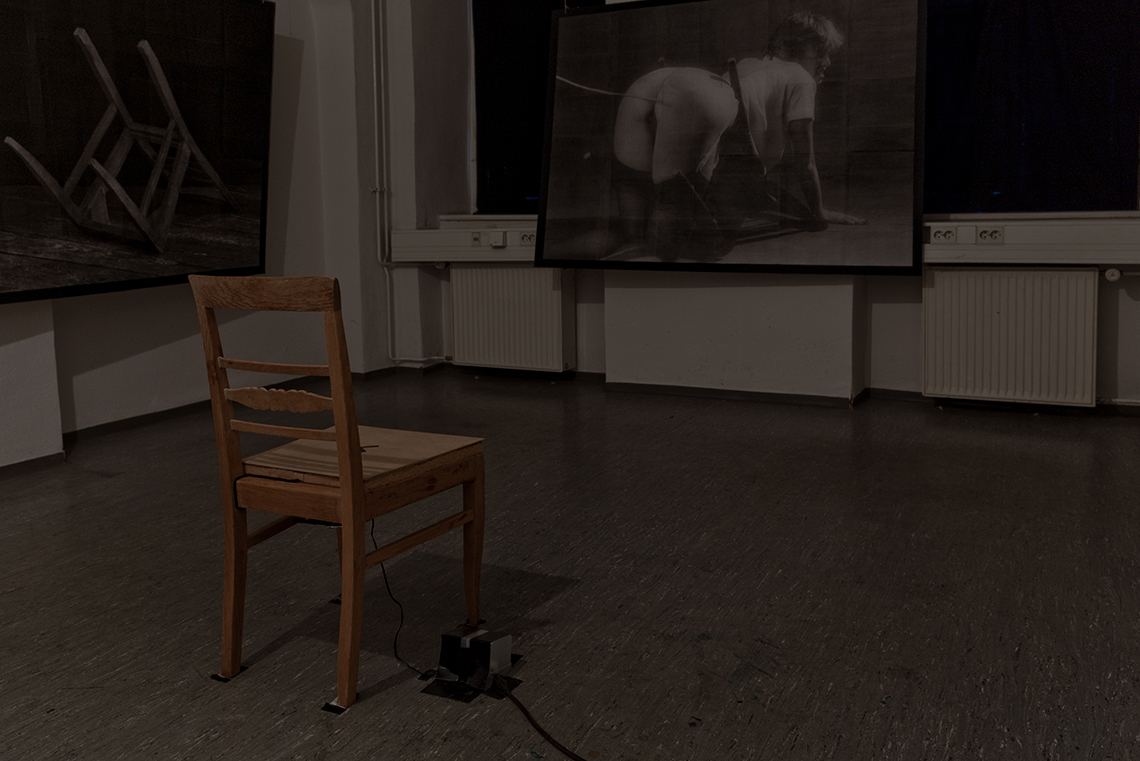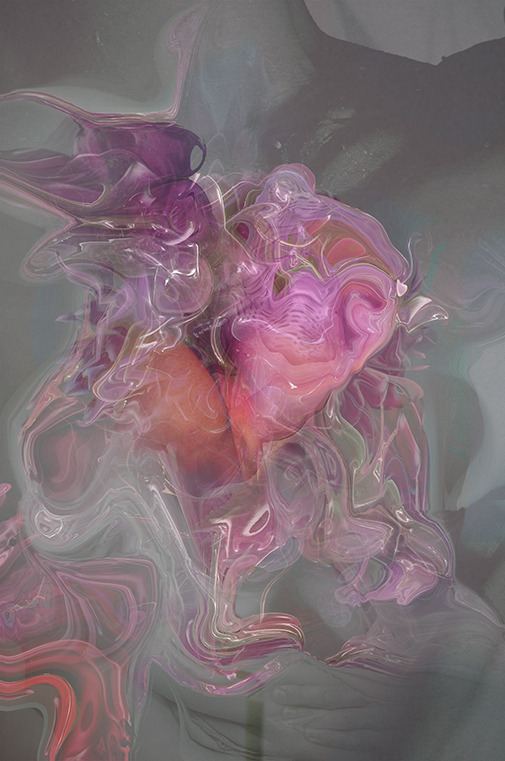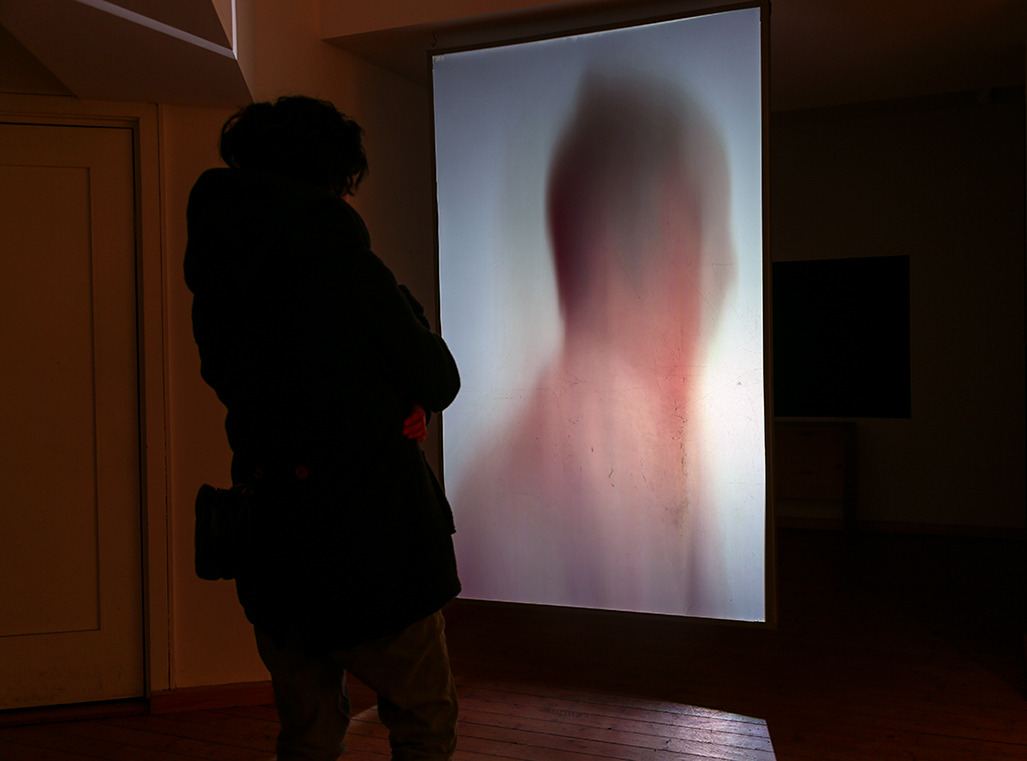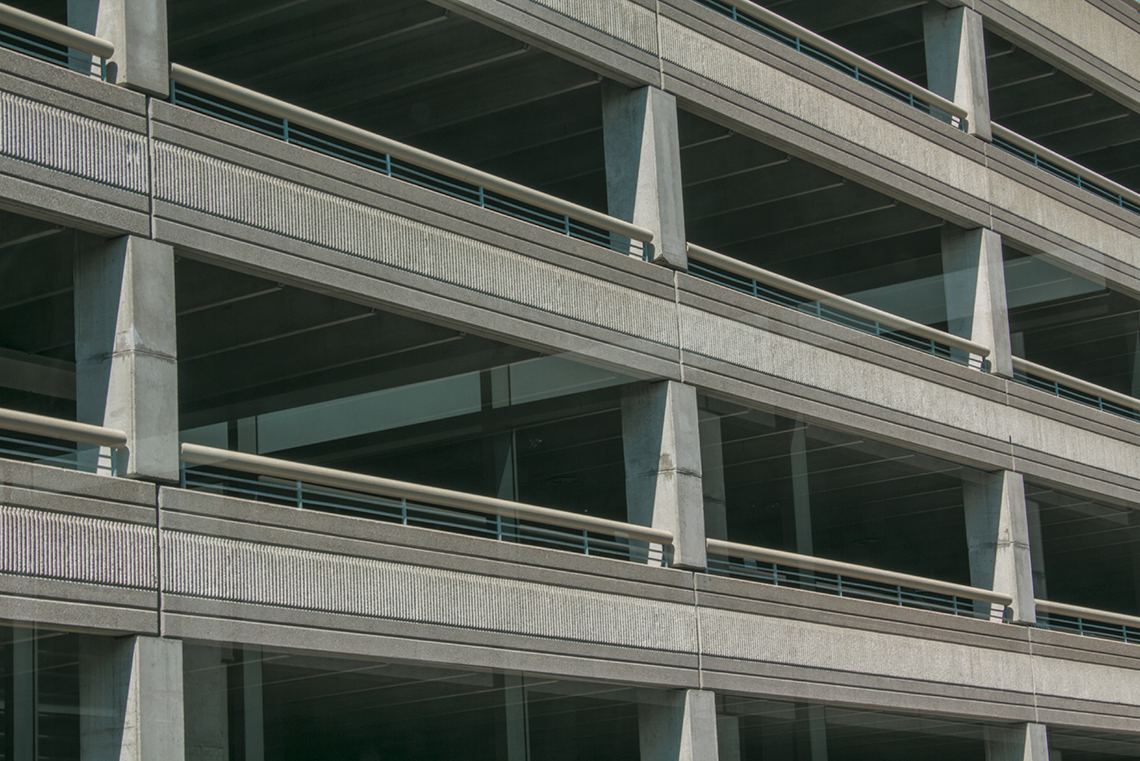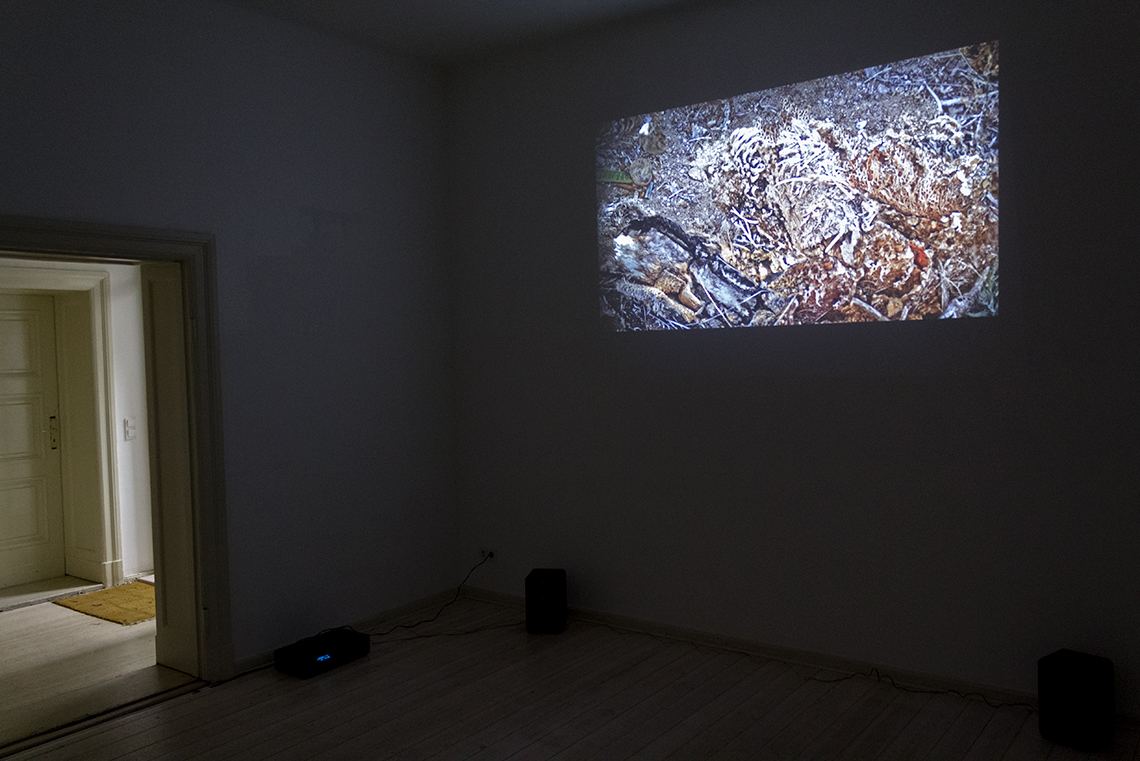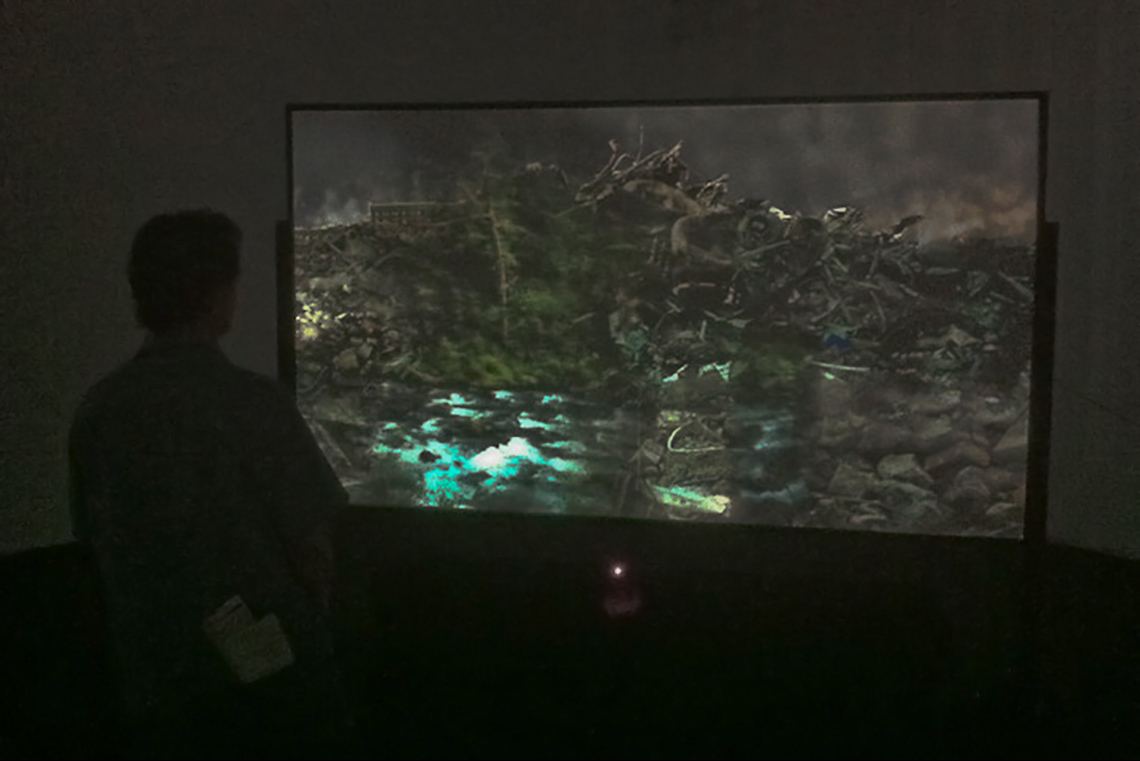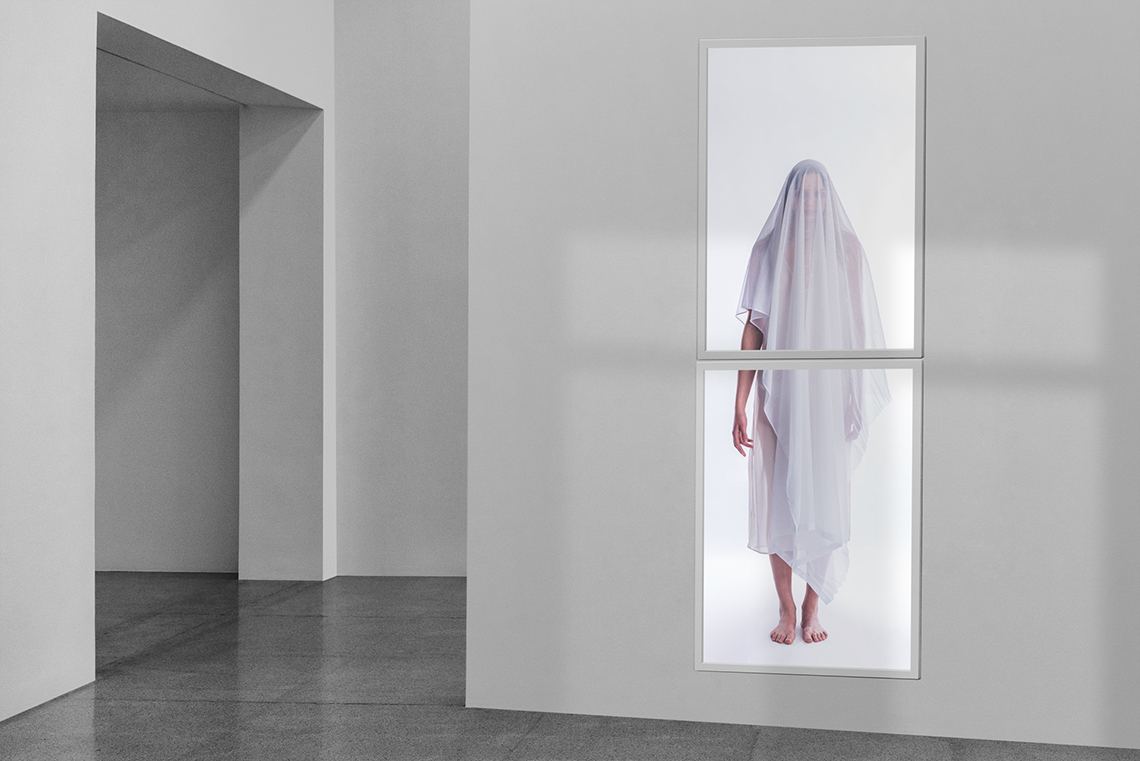
A 1:1 scale portrait that dissolves as the viewer approaches, triggered by a motion sensor. Shown during the Bauhaus 100-year jubilee in the original classroom building in Weimar, the work is a meditation on looking itself — the ghost can only be seen from a distance, and vanishes at the moment of recognition.
View project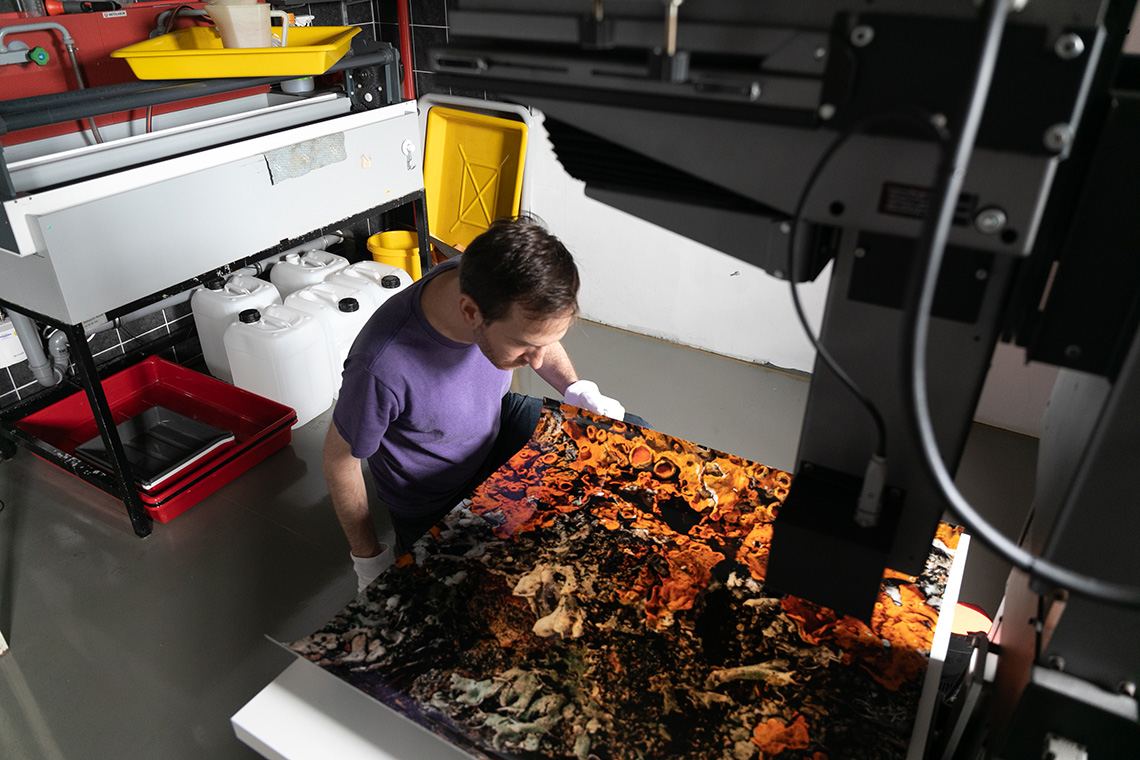
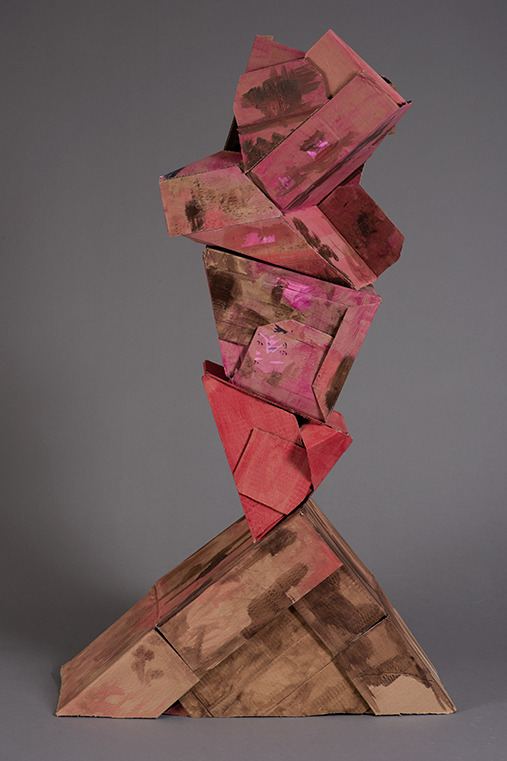
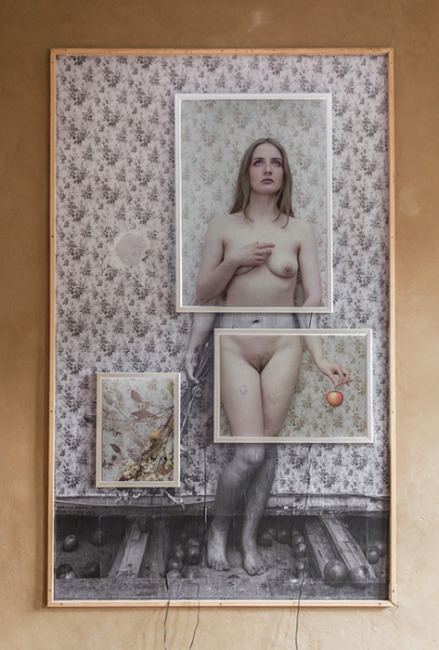
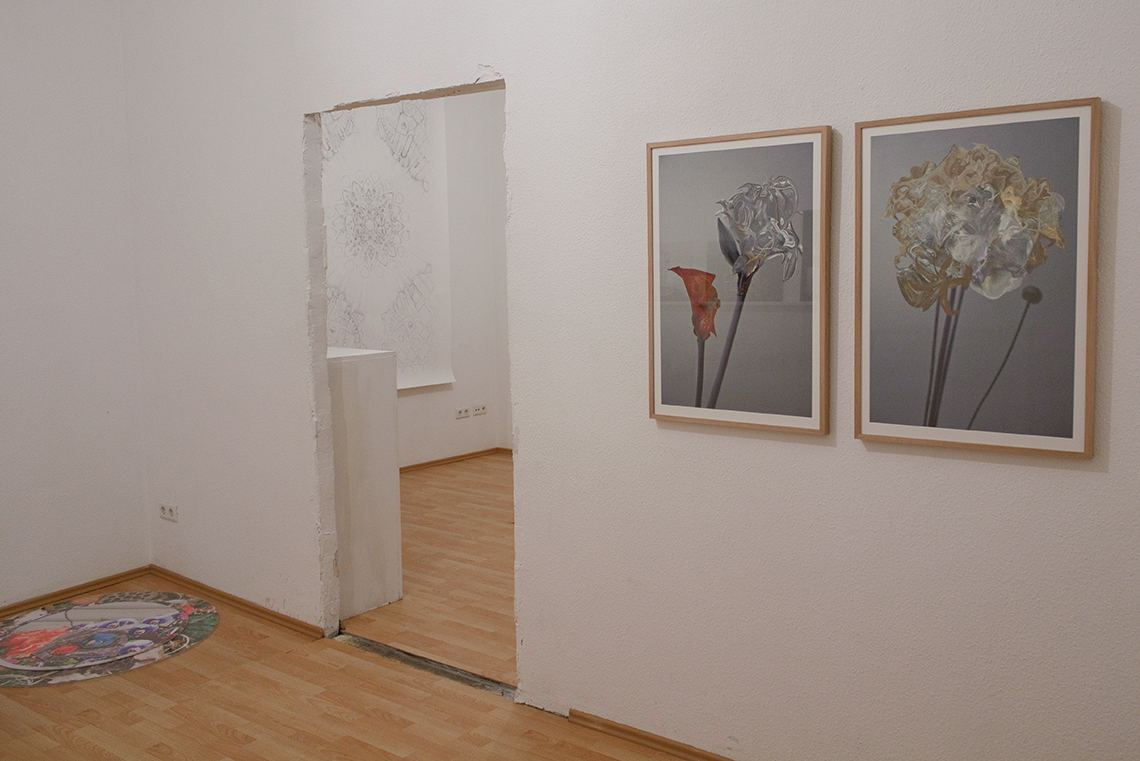
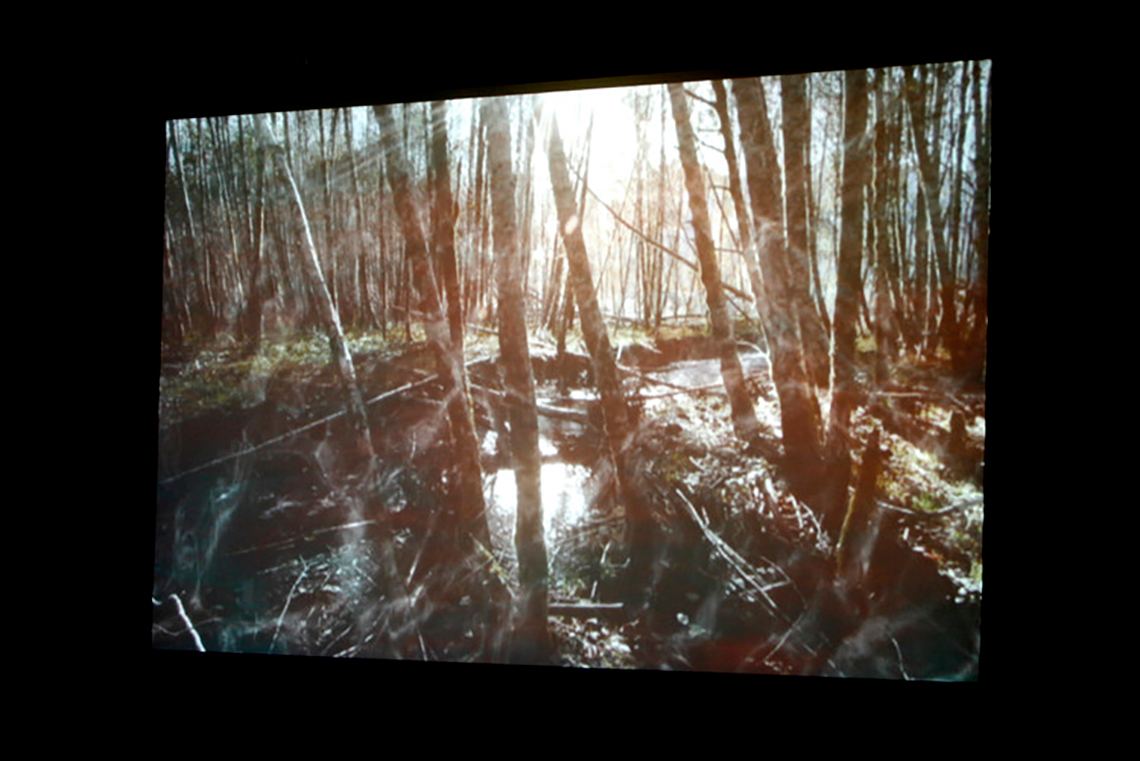
Wall-mounted sculptures pairing Duratrans film, etched Plexiglas, and low-energy LED with NFTs on the Ethereum blockchain. Presented as the final work of Bixby's Master's Thesis at Bauhaus-Universität Weimar, the series photographs natural elements in states of decay and transformation.
View project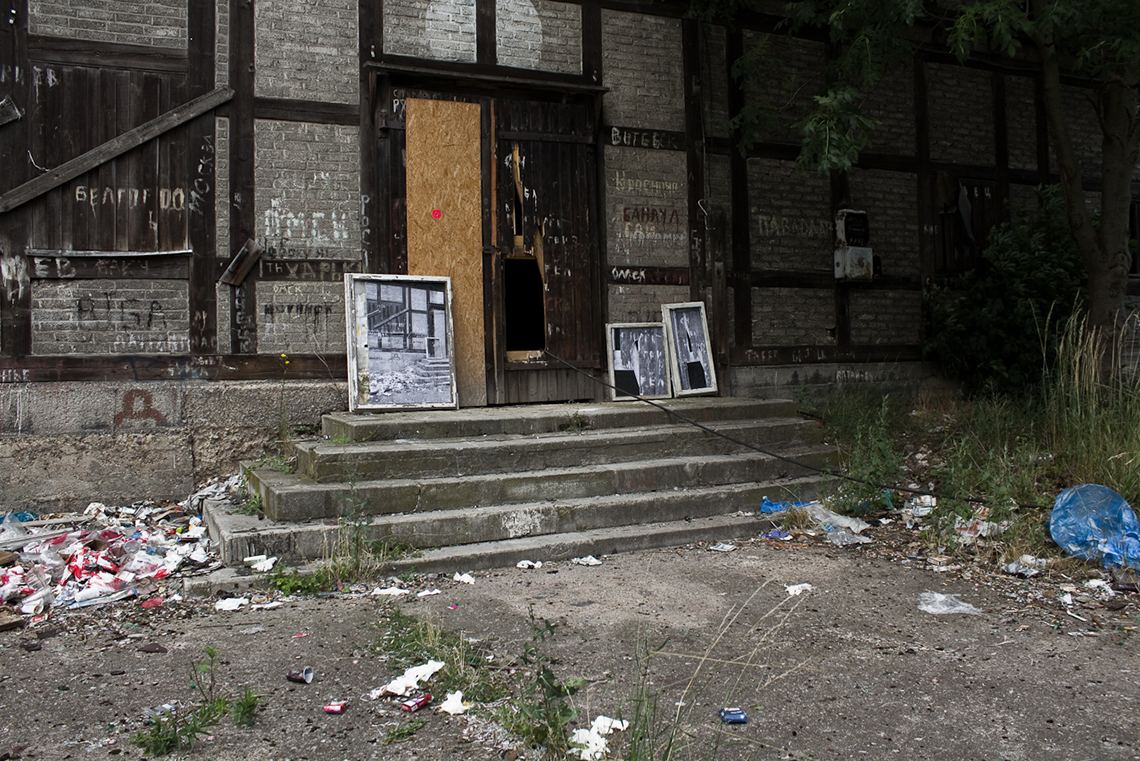
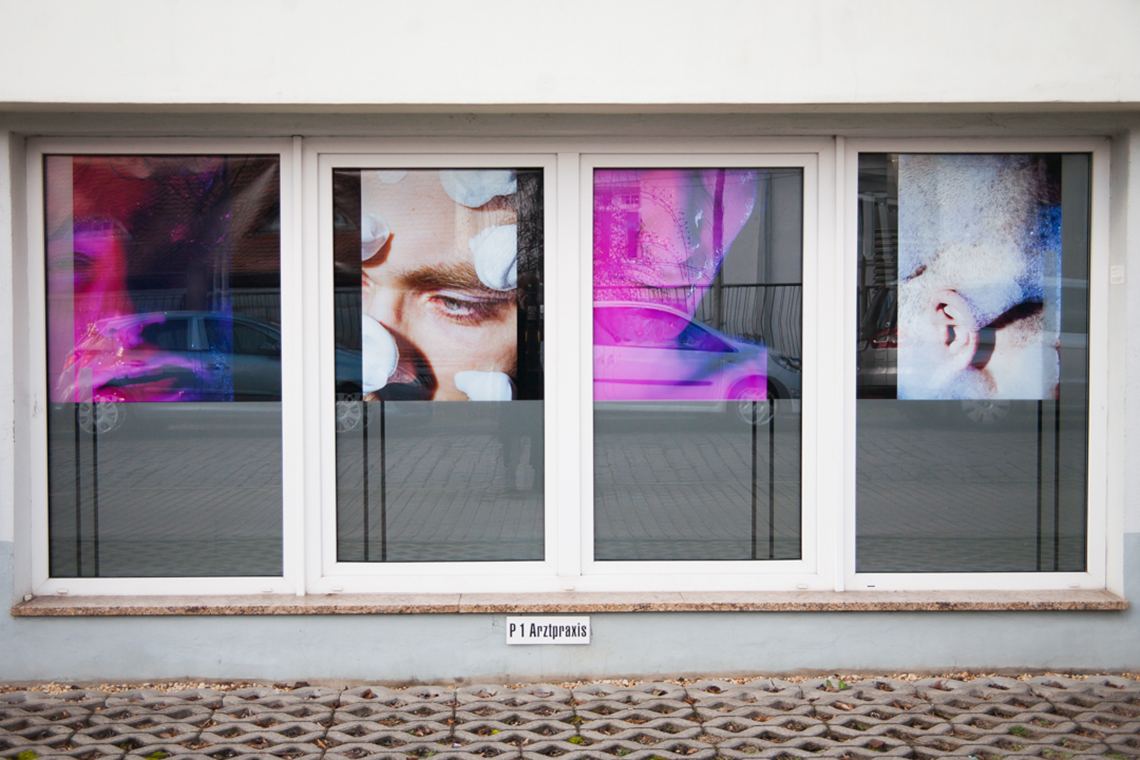
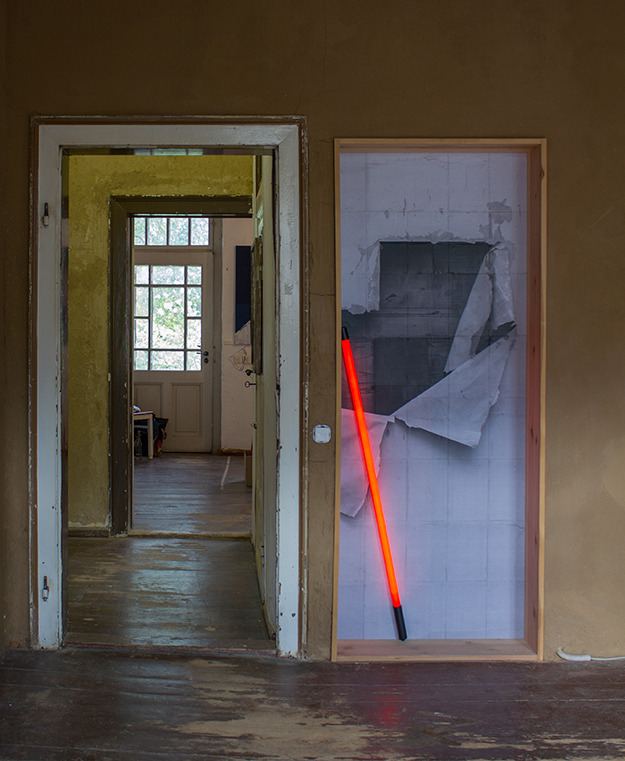
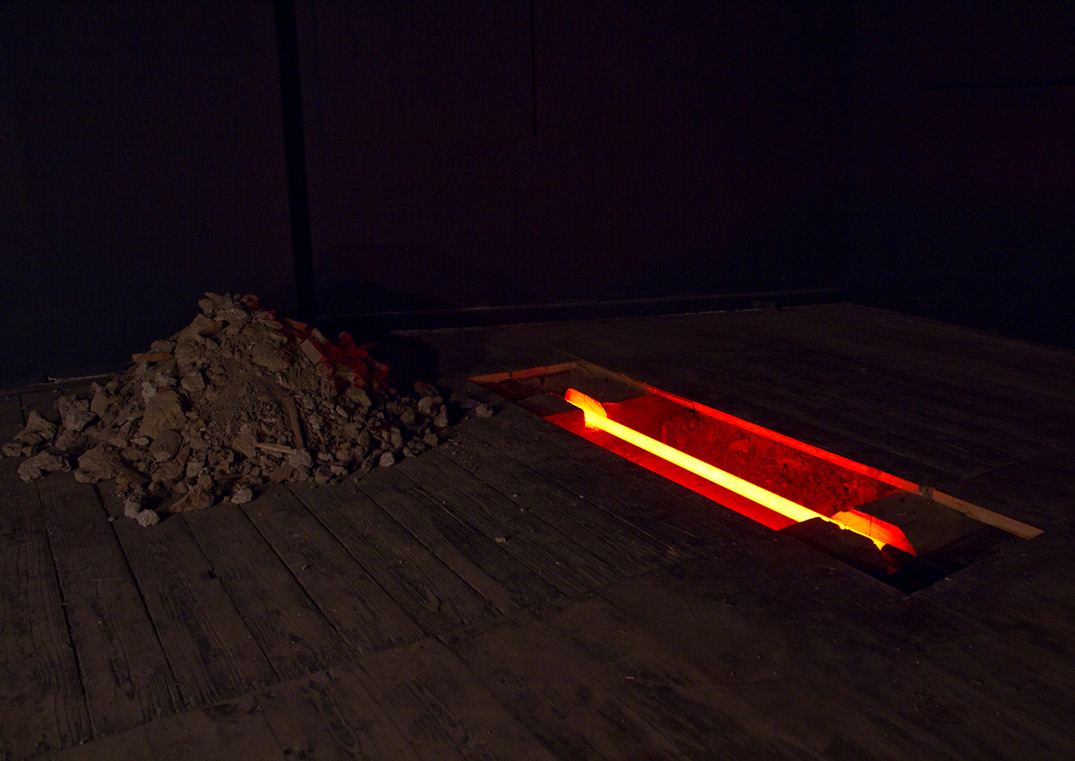
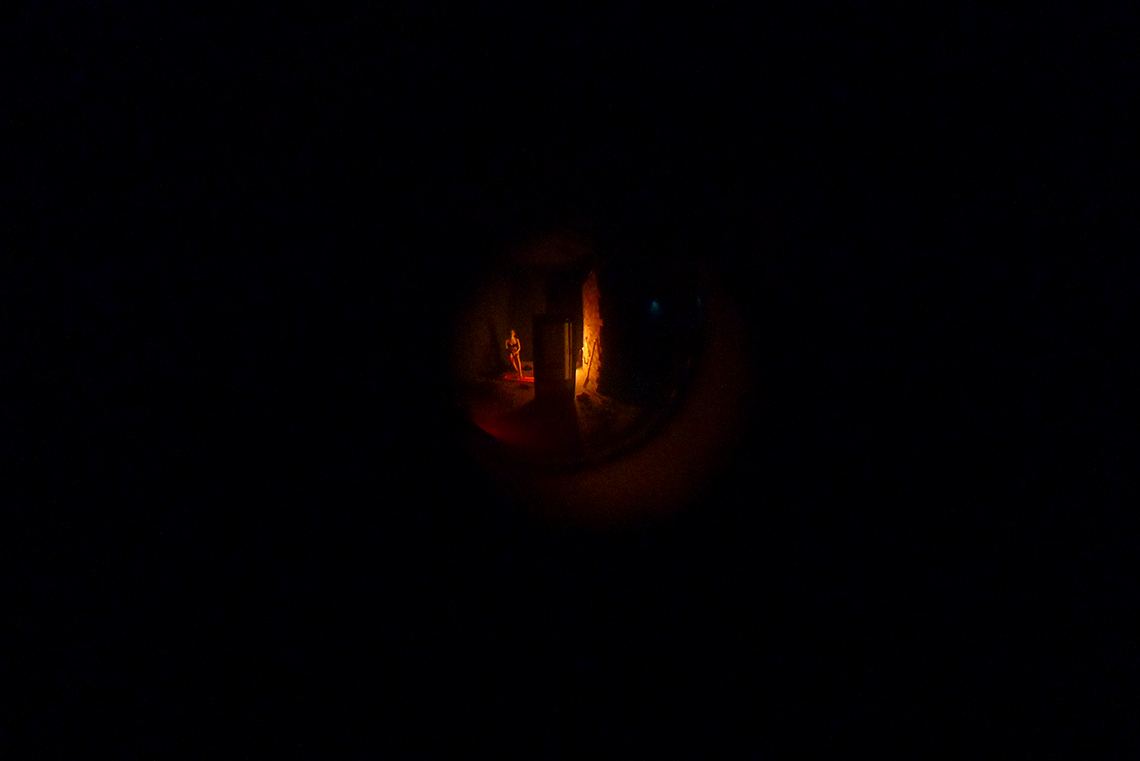
A site-specific intervention in Weimar's largest building — a condemned cattle auction hall forbidden to enter. A peephole drilled into a locked door, photographs displayed in salvaged window frames. In 2015 the building burned down, making the documentation the only record of the space as it was.
View project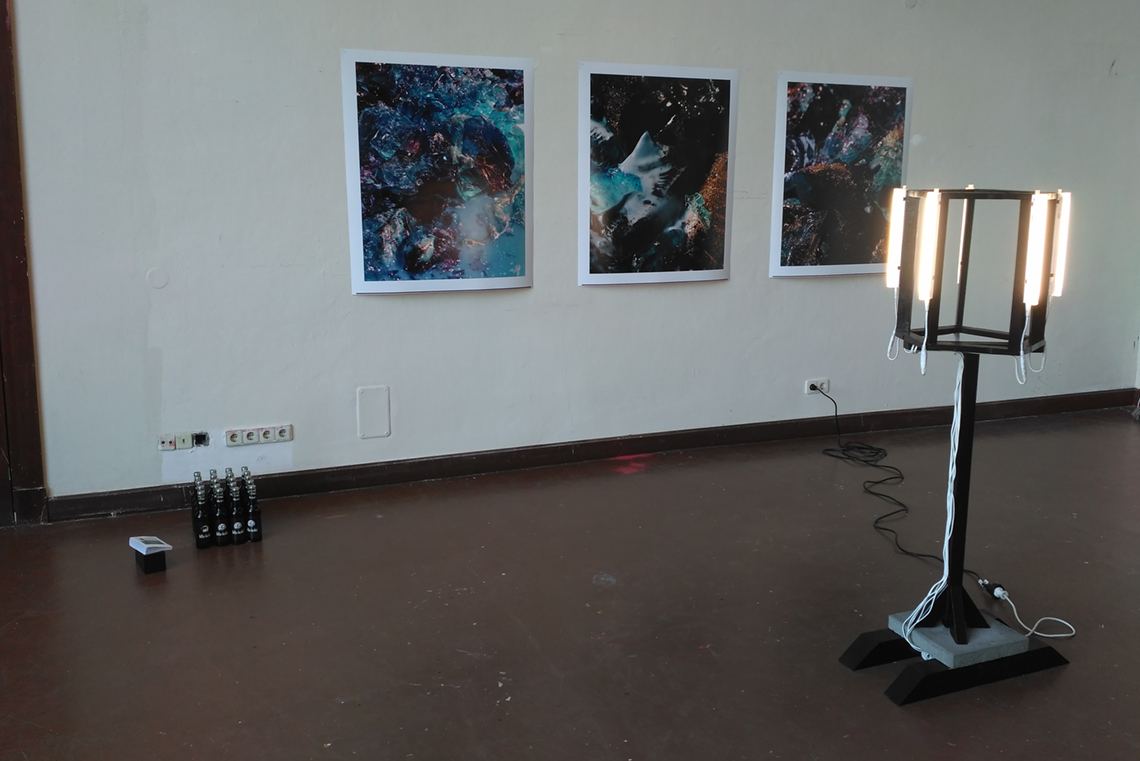
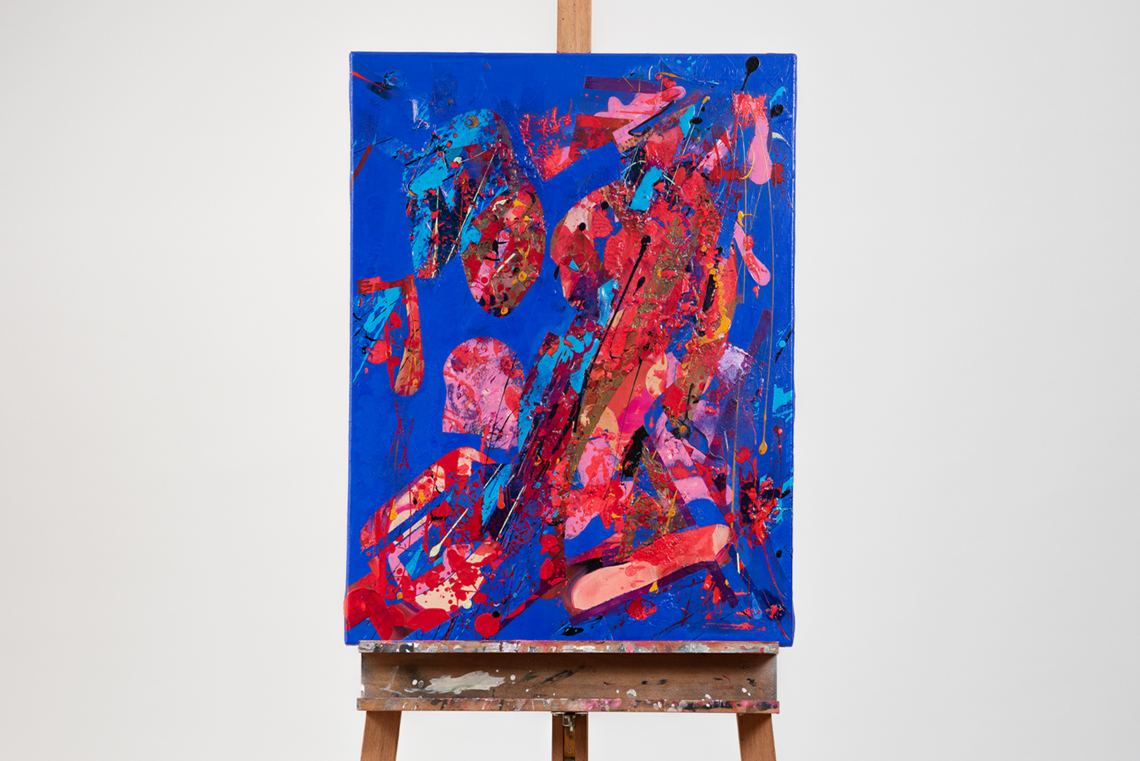
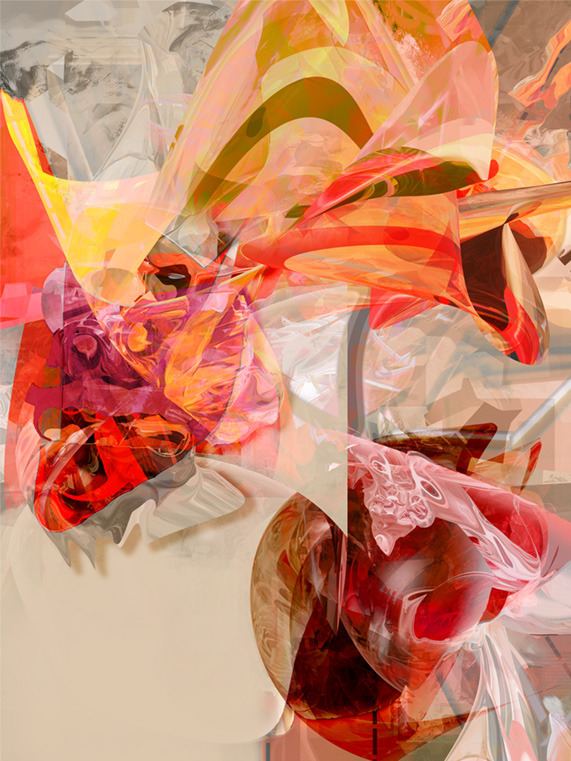
Medium format photographs made in studio from gelatin, shampoo, glitter, and acrylic paint — compositions that dissolved under studio lights after several hours, leaving only the image. The series draws on Moholy-Nagy's Neues Sehen, proposing the camera as a way of seeing the world that the human eye alone cannot access.
View project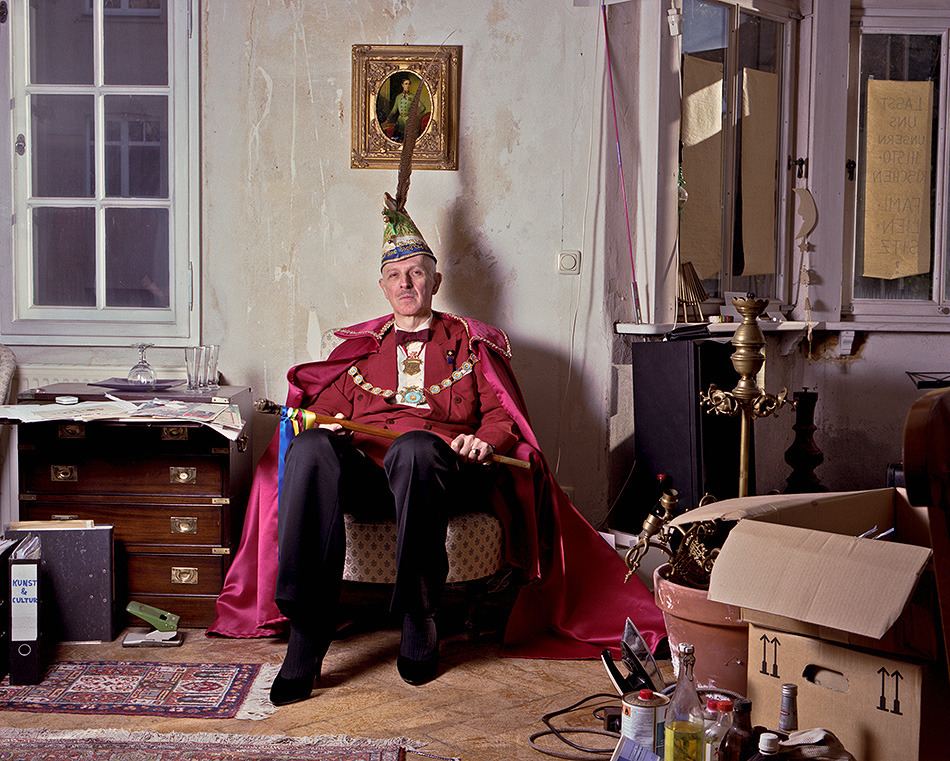
A long-term portrait series documenting one man's story from royalty to poverty in Rudolstadt, Germany. Shot over several years of visits with an analog Mamiya medium format camera, the work follows the last remaining ancestor of a royal bloodline as he fights to keep his 100-room family home.
View project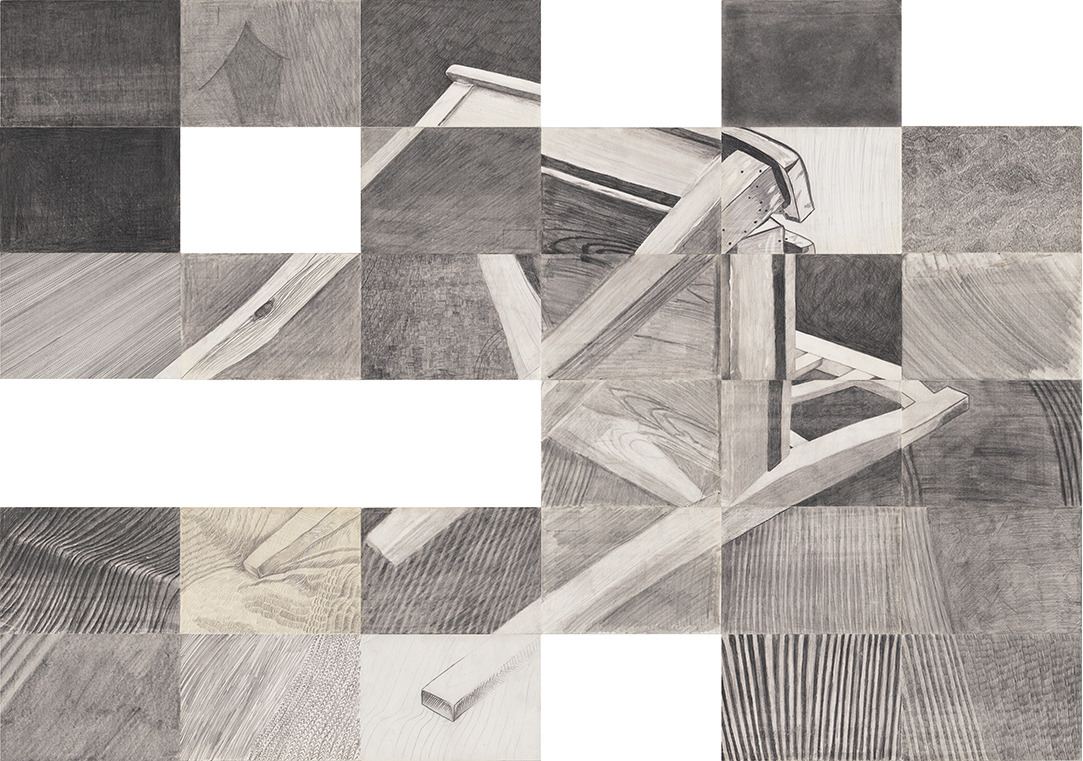
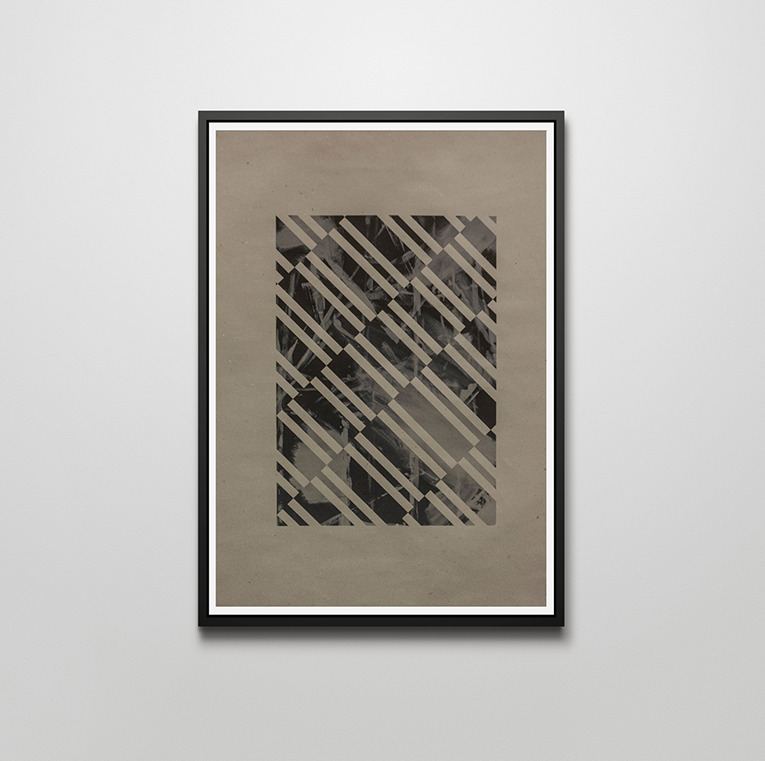
A distributed drawing project: 36 strangers are each given a single panel of an image and asked to draw it by hand, then mail it back. The assembled result is a collective drawing made by people who never met. Inspired by "The Turk" — the 18th-century chess automaton later revealed to hide a human operator.
View project